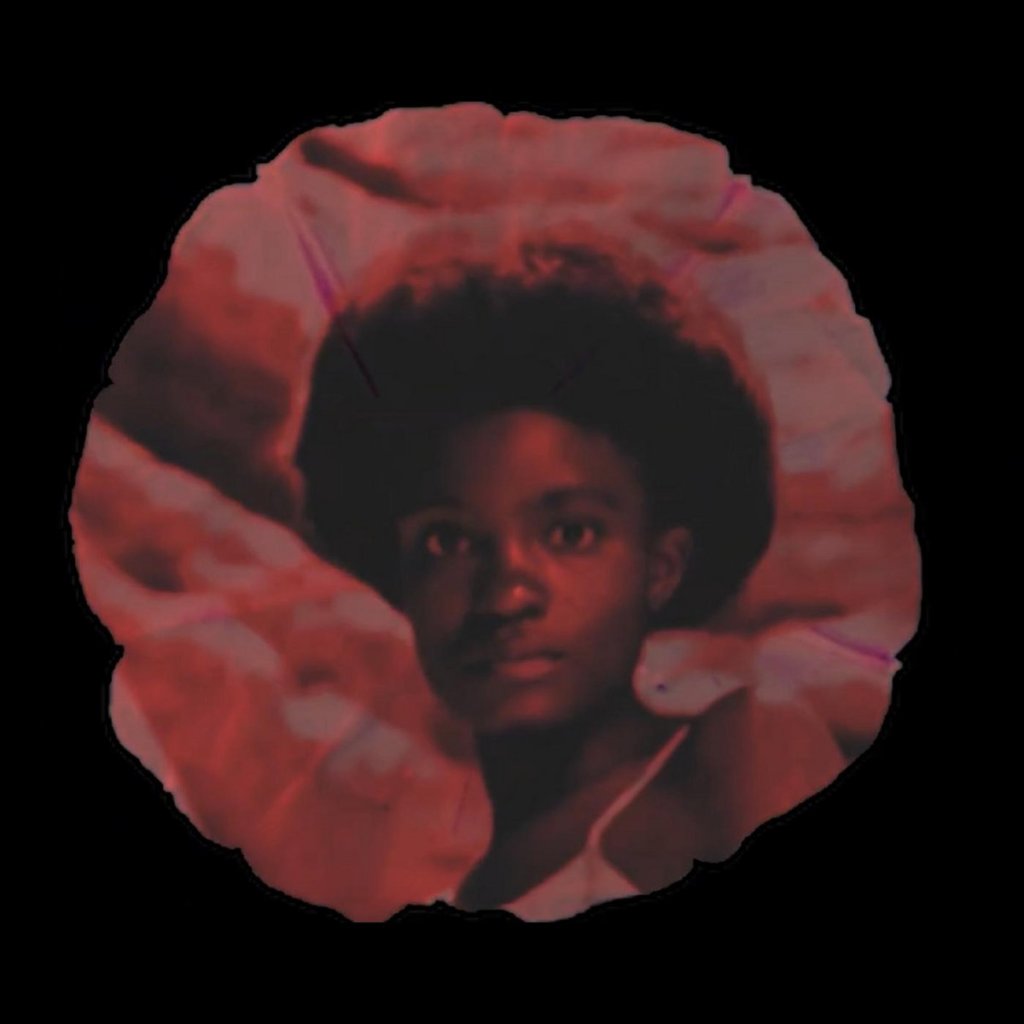
Some returns arrive quietly, less like a reappearance and more like a shift in atmosphere you gradually realize has been there all along. The Veldt have always operated in that space: elusive, textural, emotionally exacting. Their new single, “Black Girl,” arrives not as a reintroduction, but as a deepening.
For a band whose legacy has often been framed through the language of firsts—first-wave shoegaze, early architects of a sound too fluid to be pinned down—the more interesting story has always been about their resistance to stasis. Even now, decades removed from their North Carolina origins, The Veldt remain committed to a kind of sonic permeability. “Black Girl” drifts in on that ethos, pulling from dream pop’s haze while grounding itself in something more corporeal: movement, determination, a body in motion against constraint.
There’s a quiet defiance in the track’s construction. It doesn’t explode so much as it expands, echoing the narrative it draws from—a young dancer reaching toward something beyond her circumstances. The band doesn’t romanticize that struggle; instead, they score it with patience. Layers accumulate. Vocals hover just above the instrumentation, never overpowering it, as if insisting that presence itself is enough. This sense of accumulation carries into the broader Spanakopita EP, a project that feels deliberately porous. Part new material, part excavation, it resists the tidy cohesion expected of a traditional release. Instead, it behaves more like an archive in motion—fragments, experiments, and fully realized pieces coexisting without hierarchy. The decision to make it available primarily as a tour-only CD underscores this intimacy. You have to be there. You have to step into their world, however briefly, to access it.
That world has always been shaped by collaboration, but here the collaborative energy feels less like augmentation and more like diffusion. The production—handled under the Illuminutty moniker—blurs authorship in a way that mirrors the music itself. Post-punk atmospherics bleed into DJ culture methodologies; analog warmth dissolves into digital precision. It’s not fusion so much as coexistence. And yet, for all its expansiveness, the project never loses its center. That center is feeling—specifically, the kind of feeling that doesn’t resolve easily. The Veldt have long understood that mood is not a byproduct of sound but its foundation. Their work rewards attention, but it doesn’t demand it. It invites you in, then lets you decide how far you want to go.
The timing of this release, aligned with their tour alongside The Chameleons, feels intentional. Both bands share a commitment to emotional density, to the idea that sound can be both immersive and incisive. But where nostalgia could easily creep in, The Veldt sidestep it. There’s no sense of looking back here, even when they’re drawing from their own archives. The past is material, not destination.
If anything, Spanakopita reads as a threshold—a glimpse into a larger body of work still unfolding. Daniel Chavis has hinted at a more expansive release later this year, drawn from years of unreleased recordings. If this EP is any indication, that forthcoming project won’t be about closure. It will be about continuation, about tracing the throughline of a band that has never stopped evolving, only slipping in and out of visibility.
“Black Girl,” then, is less a single than a signal. Not of reinvention, but of persistence. Of a band still committed to exploring the spaces between genres, between histories, between what is heard and what is felt. In that space, The Veldt remains unmatched—quietly, insistently shaping a sound that refuses to settle.
 Publik / Private