Ellen Johnson Sirleaf and Netumbo Nandi-Ndaitwah offer a stark reminder of the vital role women play in shaping the continent’s future. Both of these leaders—one from Liberia, the other from Namibia—have not only defined their nations’ political histories but have also become symbols of strength, resilience, and the importance of female leadership in the broader African context. Their careers, while shaped by different historical and cultural forces, speak to the transformative power of leadership that transcends gender.
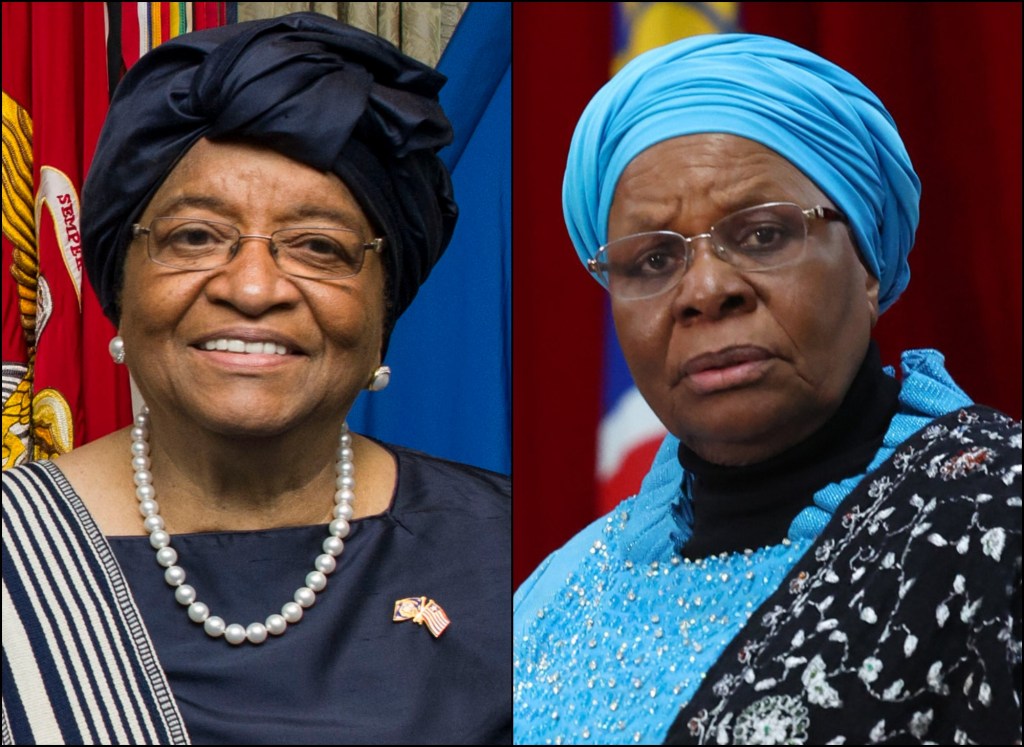
Photos available via Creative Commons
Ellen Johnson Sirleaf’s place in history is firmly anchored in her role as Liberia’s first female president, a position she held from 2006 to 2018. Her rise to power came after years of struggle—political exile, imprisonment, and the devastating aftermath of Liberia’s civil war. Sirleaf’s journey to the presidency was a testament to her unwavering commitment to national recovery, resilience, and reform. Her leadership during Liberia’s post-conflict era was instrumental in stabilizing a nation that had been torn apart by violence and rebuilding its institutions from the ground up.
Sirleaf’s tenure was defined by a pragmatic approach to governance. She focused on restoring international relations, securing debt relief for Liberia, and laying the groundwork for economic recovery. Under her leadership, Liberia’s economy began to stabilize, foreign investments flowed in, and peace began to take hold. Her achievements were not without challenges, but Sirleaf’s diplomacy and economic strategies helped Liberia secure its place on the world stage. Perhaps her most lasting legacy is her advocacy for women’s rights. Sirleaf’s presidency marked a turning point for women’s political participation in Liberia. She implemented policies aimed at addressing gender-based violence, expanded educational opportunities for girls, and created pathways for women to take active roles in the workforce. Her leadership demonstrated the tangible difference a woman in power could make—not just in terms of policy, but in shaping societal attitudes about the capabilities of women to lead.
While Sirleaf’s leadership was focused on rebuilding a post-war Liberia, Netumbo Nandi-Ndaitwah’s influence has been felt on the diplomatic stage of Southern Africa and beyond. As Namibia’s Deputy Prime Minister and Minister of International Relations and Cooperation, Nandi-Ndaitwah has been a prominent advocate for regional unity and African solidarity. Her career is deeply intertwined with Namibia’s liberation struggle, where she fought against apartheid and colonial oppression. This experience laid the foundation for her role as a political figure who is committed to both domestic growth and regional collaboration.
Nandi-Ndaitwah’s work in diplomacy has placed Namibia at the center of conversations about Africa’s future. She has worked to strengthen Namibia’s relationships with its neighbors, while also representing the nation on the global stage. As a respected voice in the African Union (AU), she has championed the idea of a united Africa, working tirelessly to foster Pan-African cooperation. Nandi-Ndaitwah’s leadership is characterized by her ability to balance national interests with the broader goals of continental unity. At the heart of Nandi-Ndaitwah’s leadership is a commitment to gender equality. Throughout her political career, she has advocated for policies that promote the economic and political empowerment of women, ensuring that women are not only beneficiaries of national development but also active participants in shaping that development. Her contributions to advancing gender parity are a testament to her belief that women must be present at every level of decision-making, both in Namibia and throughout Africa.
Continue reading Publik / Private