When Rejection Becomes Retaliation: Digital Manipulation, Psychological Abuse and Celebrity Entitlement

Written By: Jordannah Elizabeth Graham-Mayer

When Technology, Entertainment Industry Power and Personal Relationships Collide

Written By: Jordannah Elizabeth Graham-Mayer

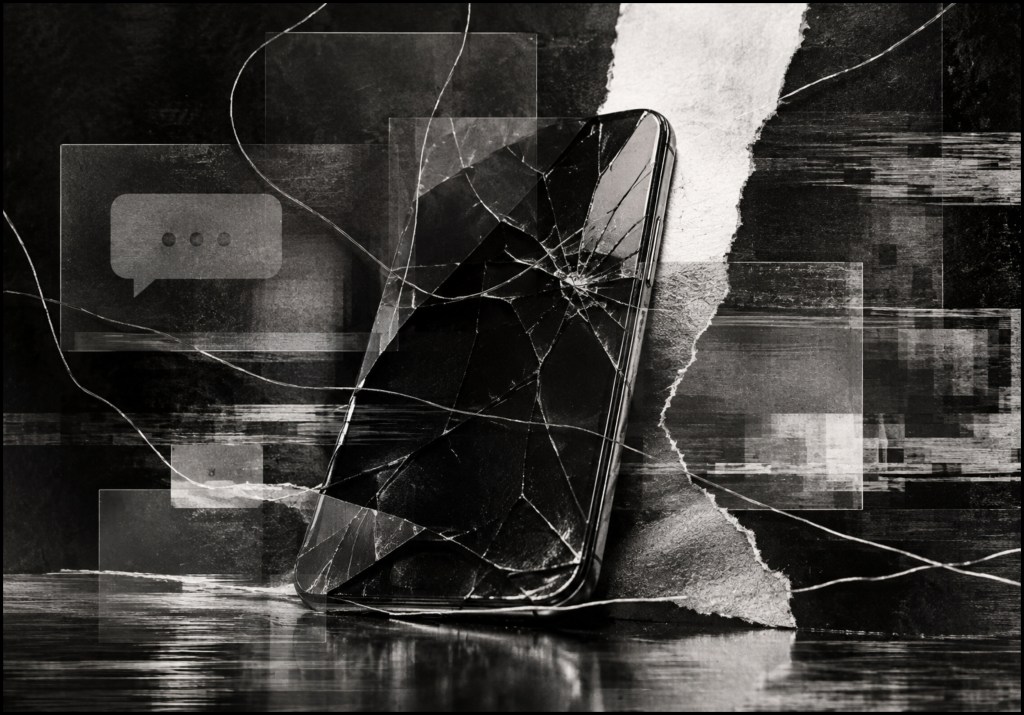
There is a particular kind of cruelty that emerges when another person’s influence becomes more important than your right to experience your own life without interference. In the entertainment industry, where celebrity, access, reputation, professional relationships, and enormous financial resources intersect, the question of who possesses power—and how that power is exercised—deserves considerably more scrutiny. Digital abuse is often discussed through the familiar language of hacking, identity theft, cyberstalking, and online harassment. However, there is another dimension of technology-facilitated abuse that deserves greater attention: the potential manipulation of the digital environments surrounding a person’s intimate relationships, friendships, professional associations, and emotional life. The intersection of technology, interpersonal relationships, and institutional influence raises important questions about privacy, autonomy, and the consequences of unchecked power.

Imagine believing that someone you love has stopped caring about you. Imagine searching for information about a person, a relationship, or an event and repeatedly encountering material that reinforces your worst fears. Imagine discovering that your communications, social media experiences, or access to personal information appear inconsistent in ways you cannot explain. Now imagine the possibility that someone with significant resources, professional connections, or technological access is deliberately interfering with that environment. These possibilities deserve serious consideration, but establishing that interference occurred, identifying its source, and proving criminal intent require evidence rather than assumption.

The entertainment industry has always operated through networks of influence, with actors, musicians, producers, executives, managers, publicists, lawyers, and wealthy investors occupying different positions within interconnected professional environments. Public figures such as Taylor Swift, Blake Lively, Jennifer Aniston, and Chelsea Handler represent different forms of cultural visibility and influence within entertainment. Their public profiles also illustrate the extraordinary attention that surrounds celebrity relationships, friendships, rivalries, and personal narratives. However, public prominence is not evidence of criminal conduct, and no independently verified evidence presented in this article establishes that these individuals have hacked personal accounts, manipulated Google searches, stalked private individuals, or participated in trafficking. Their inclusion raises a broader editorial question about how celebrity influence, gender, wealth, and institutional relationships should be examined when credible allegations of digital intimidation or coercive behavior emerge.

One of the most disturbing dimensions of interpersonal digital abuse is the potential use of technology to influence how someone interprets another person’s feelings. Romantic rejection is already emotionally difficult, particularly when affection is not reciprocated or when a relationship ends without the closure someone desires. The experience can involve disappointment, confusion, grief, embarrassment, and uncertainty about what happened. Technology can complicate these experiences because people increasingly rely on search engines, social media platforms, messaging applications, and digital communication to understand their relationships. When someone deliberately exploits digital access to impersonate another person, interfere with communications, monitor activity, or circulate fabricated information, the consequences can extend well beyond the internet.

Google acknowledges that certain Search features can be personalized using information associated with an individual’s account, including search history and activity. Its documentation explains that personalization can influence the ordering of certain results and recommendations, although search results can also vary because of language, location, device settings, and other contextual factors. Google also provides users with options to view results without personalization in certain circumstances. These distinctions are important because differences in search results do not independently establish that another person has hacked an account or deliberately manipulated someone’s experience. Nevertheless, the broader issue of digital personalization deserves scrutiny because people may interpret algorithmically generated information as meaningful evidence about their relationships, reputations, and social standing.

Continue reading →

The Joke Is on the System: Black Women, Satire and the Freedom to Experiment

Written By: Jordannah Elizabeth Graham-Mayer

There is a particular kind of audacity in making people laugh when they believe they have the authority to decide how you should live. Satire is most effective when directed at institutions that consider themselves beyond criticism. It exposes vanity, hypocrisy, and the distance between what powerful people claim to represent and what they actually do. But in the hands of Black women writers, humor can accomplish something more complicated: it can challenge the authority of the observer, dismantle the expectations placed upon the observed, and question the very language through which society organizes its understanding of race, gender, and identity.

American literature has had a complicated relationship with the intellectually irreverent Black woman. She is permitted to be funny, provided the humor is agreeable; outspoken, provided the criticism is palatable; ambitious, provided the ambition does not disturb established arrangements. The cultural imagination has repeatedly circulated a limited vocabulary of Black womanhood: the respectable woman, the suffering woman, the self-sacrificing mother, the angry woman, the entertainer. These figures are familiar because they are legible. They offer audiences recognizable ways of understanding Black women without necessarily requiring an encounter with their full interior lives.

The writer who refuses these arrangements presents a different proposition. She might be sexually autonomous, politically skeptical, intellectually mischievous, or simply uninterested in making herself understandable. Her characters may be vain, ridiculous, brilliant, difficult, or contradictory. They may possess an appetite for life that exceeds the moral expectations of their communities. Their existence is not organized around the obligation to instruct an audience.

Satire and literary experimentation offer particularly interesting ways of examining this refusal.

They challenge not only the subject of a story, but also the assumptions governing how stories are constructed, who gets to tell them, and which forms of expression are considered legitimate.

Humor, in this tradition, is not simply a response to hardship. It is a form of intelligence. It can reveal the absurdity of racial classifications, expose the theatrical nature of social respectability, and make visible the peculiar arrangements through which patriarchy maintains its authority. It can also turn the reader into an uncomfortable participant, inviting us to recognize how readily we accept conventions that might appear ridiculous if examined from another perspective.

This is not an entirely new critical conversation. Scholarship on Black women’s humor has increasingly examined comedy as a serious intellectual and cultural practice. Jessyka Nicole Finley’s research, Firespitters: Performance, Power, and Payoff in African American Women’s Humor, 1968–Present (2013), considers humor as a form of literacy and self-authorship. Katelyn Hale Wood’s Cracking Up: Black Feminist Comedy in the Twentieth and Twenty-First Century United States (2021) traces Black feminist comedy through generations of performers, while J. Finley’s Sass: Black Women’s Humor and Humanity (2024) examines the relationship between humor, language, gesture, and authority.

Taken together, this scholarship invites a reconsideration of what comedy accomplishes. The joke is not necessarily an escape from serious subjects. It can be an alternative means of approaching them, one that exposes the contradictions of a culture without accepting the culture’s preferred terms of discussion. It can also challenge the expectation that Black women must always be interpreters of their own suffering.

One of the most revealing places to examine this tension is in the relationship between humor and respectability. The pressure to represent an entire community can place an extraordinary burden on individual writers. A character’s behavior may be interpreted as a statement about a race, a gender, or a culture rather than as an expression of individual personality. The freedom to be ridiculous, selfish, sexually adventurous, or simply wrong becomes more complicated when every fictional decision is expected to carry representative significance.

Jessie Redmon Fauset understood some of these tensions during the Harlem Renaissance. Her 1933 novel, Comedy: American Style, is particularly revealing. Often discussed in relation to class aspiration, colorism, and racial respectability, the novel examines the contradictions of a Black bourgeois family attempting to secure its position within a society organized by racial exclusion.

Fauset’s comedy is not the broad, irreverent humor associated with later experimental writers. It is closer to a comedy of manners, attentive to social performance, ambition, and the elaborate conventions through which people establish their standing. Her characters negotiate the expectations of the New Negro, the New Woman, and the respectable Black family. Their aspirations are understandable, but the social arrangements they attempt to master are frequently contradictory.

There is an important irony here. Respectability promises protection from prejudice while requiring constant attention to the judgments of the very society responsible for exclusion. The performance can become almost as restrictive as the discrimination it is intended to overcome. Fauset’s work also complicates any assumption that Black women’s satire must be directed exclusively outward, toward white institutions. Her fiction examines hierarchies within Black communities, including class distinctions and colorism. Criticism of racial oppression need not require the idealization of every community in which that oppression operates.

In Comedy: American Style, the social comedy of aspiration is also a study of its costs. The novel recognizes the attraction of cultural advancement while questioning the emotional and familial consequences of pursuing it through rigid standards of appearance, marriage, and status. Its observations remain relevant because the performance of respectability is not simply a historical curiosity. It is an enduring negotiation between individual identity and the expectations of a society that has never distributed recognition equally.

Paule Marshall approached the politics of representation through a different literary sensibility. Her fiction is not conventionally classified as satire, and it would be misleading to present her as a comic novelist in the same sense as Fran Ross. Her contribution to this discussion lies in her use of irony, historical layering, complex characterization, and formal experimentation to unsettle the authority of established perspectives.

In The Chosen Place, The Timeless People (1969), Marshall constructs a fictional Caribbean community that becomes the subject of an ambitious American development project. Social scientists arrive in Bournehills with institutional resources and professional expertise, believing that their knowledge will help transform the region. The encounter exposes the assumptions embedded in the language of development.

Who determines what constitutes progress? What qualifies as knowledge? And why should the people who arrive with research credentials automatically possess a more authoritative understanding of a community than the people who have lived there?

Marshall’s novel does not reduce these questions to a simple opposition between outsiders and inhabitants. Its characters possess competing ambitions, histories, and vulnerabilities. The narrative moves between individual psychology and collective memory, complicating the distinction between observer and observed. The people who believe themselves to be interpreting another culture gradually become subject to interpretation themselves.

Continue reading →

John Mayer and the Male Contract: Masculinity, Feminism and the Complex Work of Telling the Truth

Written By Jordannah Elizabeth Graham-Mayer

A closer look at John Mayer, changing ideas of masculinity and the universal importance of bodily autonomy, masculinity, feminism and intimacy, and creating relationships grounded in mutual respect, vulnerability and equality.

We often talk about personal growth as though it happens privately, away from the expectations of the world around us. In reality, much of what we come to understand about ourselves is shaped by the conversations we have with other people, the relationships we experience, and the cultural ideas we inherit before we are old enough to question them. For men, particularly those who have grown up in the public eye, the expectations surrounding masculinity can be especially complicated. There is a performance attached to being a man that begins early, is reinforced in adolescence, and can follow someone well into adulthood. It influences how men understand intimacy, how they communicate vulnerability, how they experience rejection and, perhaps most importantly, how they understand their relationships with women.

John Mayer has spent much of his adult life navigating the intersection of celebrity, romantic relationships and public expectations. His music has frequently explored love, longing, heartbreak and the complexities of human connection. Over the years, however, his public conversations have also revealed an interest in examining the cultural expectations placed upon men. Some of those observations have been provocative, others have invited debate, but together they offer an opportunity to consider a subject that deserves considerably more thoughtful attention: what happens when a man begins to reconsider what he has been taught about being a man?

I approach this conversation as a woman who has spent years engaged in feminist thought and advocating for the rights and advancement of women and girls around the world. I also approach it as a wife, someone who understands that relationships are living experiences in which two people continue to learn about themselves and one another. My commitment to women’s equality is not separate from my understanding of marriage, love or partnership. In many ways, it informs all three. I believe that men and women have much to learn from one another, and that a meaningful conversation about gender should leave room for both honesty and compassion.

One of the more interesting moments in Mayer’s public discussion of masculinity came in 2018, when he spoke to an audience during a performance in Baltimore about what he called the male contract. His remarks addressed the expectation that men should be sexually confident, perpetually interested in women and capable of attracting virtually anyone they desire. He questioned the idea that a man’s sense of masculinity should depend upon his ability to demonstrate sexual prowess, suggesting that boys are often introduced to an unrealistic standard of manhood during adolescence.

His central observation was that men are not supposed to possess some universal ability to attract or obtain every woman they encounter. It sounds simple, but the cultural implications are considerable. Boys and young men are frequently surrounded by messages that associate masculinity with sexual achievement, dominance and an almost compulsory expression of heterosexual desire. These messages can make ordinary human experiences, including uncertainty, rejection and vulnerability, feel like personal failures.

What I found particularly interesting about Mayer’s remarks was that he seemed to be questioning the expectations themselves rather than simply asking men to become more successful at meeting them. There is a meaningful difference between encouraging men to perform masculinity more convincingly and allowing them to reconsider what masculinity should mean in the first place.

This is a conversation feminism has been having for generations, although its implications are not always discussed in ways that invite men to participate. Women have long understood that restrictive gender expectations affect everyone, even when the consequences are experienced differently. The expectation that women should be accommodating, nurturing and sexually available has historically existed alongside the expectation that men should be dominant, emotionally guarded and sexually assertive. These expectations reinforce one another, often leaving very little room for authentic human connection.

The relationship between these ideas and rape culture deserves particular consideration. Rape culture is sustained by attitudes that normalize sexual entitlement, misunderstand consent and diminish the importance of women’s autonomy. It is not simply a conversation about individual wrongdoing. It also concerns the social messages that influence how boys and men understand desire, boundaries and relationships.

Continue reading →

Still Here: A Strange Way to Say I Love You

Written By Jordannah Elizabeth Graham-Mayer

There is a particular kind of inconvenience that comes with being married to a songwriter. You can be sitting in a perfectly ordinary room, surrounded by perfectly ordinary domestic problems, and discover that your husband has made something beautiful out of a situation you would have preferred he simply resolve.

A song, for instance.

John has a new one. “Tom and Jerry.” His first solo single in five years, which is a long time to wait for anything, although five years in a marriage can feel like either an afternoon or a geological period depending on what is happening in the kitchen.

I listened to it, and my first thought was that it sounded like a man having an affair.

Not that I have discovered an affair. There is a difference between hearing a song that sounds like an affair and discovering that your husband is having one. I would like to preserve that distinction, if only because marriage is already complicated enough without having to conduct an investigation every time a guitar sounds particularly convincing.

But the song has that quality. Somebody is elusive. Somebody is not coming through. Somebody is being pursued, or is doing the pursuing, and the whole arrangement seems to depend on the possibility that the person who wants to leave might suddenly decide to stay. There is a suggestion of secrecy, or at least of a relationship that cannot quite be brought into the daylight without losing some of its appeal.

It is romantic in the way that a locked door is romantic when you are standing on the wrong side of it.

John tells me the song is about our marriage.

I looked at him.

There are times when the appropriate response to one’s husband is not a sentence but a look. We have developed several varieties over the years, including the look that means I have heard you, the look that means I do not believe you have thought this through, and the look that means I love you but you are making my life unnecessarily difficult.

This was some combination of the three.

I do not know what he expected me to say. Thank you for the song? How flattering to be the woman in a song about running away with somebody who might never show up? Perhaps I should be pleased that our marriage has inspired a song whose central emotional problem appears to be whether the relationship will ever actually happen.

We are married. The relationship has, in a technical sense, happened.

But John has always had a way of making the technically settled feel emotionally unresolved. I suspect this is part of what makes him a songwriter. It is also part of what makes being his wife an activity that occasionally requires a great deal of patience.

The strange thing is that I believe him.

Or perhaps I believe that he believes it. There is a difference, and I have reached an age where I am no longer embarrassed to admit that the difference matters.

A person can write about longing for somebody who is already beside him. A person can be devoted to a marriage and still find something compelling about the possibility of losing it. Desire is not always interested in the practical arrangements. It does not necessarily become sensible because two people have exchanged vows, acquired responsibilities, and begun arguing about things that would bore anybody who was not involved.

The song is not an invoice. It does not have to account for every feeling.

Still, I would have preferred something with a slightly less suspicious premise.

The title began as the name John gave a voice memo. I find this detail useful because it reminds me that the song did not arrive in the world as a carefully prepared statement about his wife. It began as an idea he wanted to remember. Somewhere between the voice memo and the finished recording, the idea became a song, and the song became something people could listen to and interpret however they pleased.

Nonetheless, this is the trouble with being married to somebody whose work is public. The rest of us get to have thoughts without anybody asking whether those thoughts are autobiographical. A songwriter puts a feeling into a recording, and suddenly the feeling belongs to everybody who hears it.

Somebody hears an affair. Somebody hears a breakup. Somebody hears the great love of their life, who left in 2019 and still has not returned the sweater.

I hear my husband.

Continue reading →

From Creative Talent to Thriving Business: Building a Career That Lasts

By: Cherie Mclaughlin

Creative professionals have more opportunities than ever to turn their artistic abilities and specialized expertise into independent businesses. Whether working in photography, graphic design, music, writing, or consulting, skilled individuals can build careers around work they genuinely enjoy.

However, creating exceptional work and operating a profitable business require different abilities. Finding reliable clients, managing finances, and establishing competitive prices can challenge even experienced creatives. Building something sustainable means developing a business model that supports artistic ambition rather than competing with it.

The Essentials of Creative Entrepreneurship

A sustainable creative business combines specialized skills, a defined customer base, profitable services, and consistent client relationships. Creative professionals who understand their market, communicate their value, and manage resources carefully are better positioned to generate dependable income without sacrificing their creative identity.

Find the People Who Value Your Work

Trying to appeal to everyone can make a creative business surprisingly difficult to grow.

A freelance illustrator serving children’s book publishers faces different expectations than one creating artwork for technology companies. Each audience has distinct budgets, project requirements, and purchasing habits.

Identifying an ideal customer helps creative entrepreneurs refine their portfolios, establish appropriate prices, and communicate more effectively. Consider the problems customers need solved. Are they purchasing visual content to strengthen a brand? Seeking entertainment for an event? Hiring someone to communicate complicated information? Understanding the purpose behind a purchase makes it easier to transform creative expertise into a service customers recognize as valuable.

Choose a Business Model That Fits Your Strengths

Creative businesses can generate revenue through several arrangements. The right approach depends on customer demand, available capacity, and the nature of the work.

Business modelHow it worksImportant consideration
Project-based servicesCharge for defined assignments or deliverablesIncome may fluctuate between projects
Monthly retainersProvide ongoing services for recurring feesRequires clear expectations and consistent delivery
Digital productsSell templates, artwork, or educational resourcesRequires upfront development and ongoing marketing
Workshops and classesTeach specialized creative skillsDepends on audience interest and instructional ability
LicensingGrant permission to use original creative workRequires clear agreements covering usage rights

Some professionals combine multiple approaches. A photographer might accept commissioned assignments while selling licensed images. Diversification can help reduce dependence on individual projects, although expanding too quickly can create unnecessary complexity.

Where Passion Meets Opportunity in Live Entertainment

Music industry professionals can turn their knowledge of performers and live events into a specialized booking business. A music booking agency connects artists with venues or event organizers, coordinates performance opportunities, and negotiates booking arrangements.

Developing lasting relationships with performers and event buyers, promoting available talent effectively, and managing contracts and finances responsibly all contribute to business stability.

Specialization can provide a competitive advantage. An agency might represent jazz musicians, independent rock bands, or electronic performers. Alternatively, it might concentrate on college entertainment departments, festival organizers, or corporate event planners. Focusing on one segment helps agents understand booking expectations and cultivate relevant industry relationships. Entrepreneurs exploring this opportunity can consult ZenBusiness’s guide to starting a music booking agency for guidance on planning, operations, and establishing the business.

Attract Clients Without Becoming a Full-Time Salesperson

Marketing doesn’t have to overwhelm the creative process. A focused approach is often more manageable than maintaining a presence on every available platform.

Useful client acquisition methods include:

  • Showcase relevant work: Build a portfolio featuring projects that reflect the services prospective customers need.
  • Develop professional partnerships: Connect with complementary businesses serving similar audiences.
  • Share your expertise: Publish practical insights, project explanations, or demonstrations that establish credibility.
  • Maintain existing relationships: Follow up with previous clients and communicate availability for future assignments.

The objective isn’t simply attracting attention. It’s helping appropriate customers understand why your particular expertise deserves consideration.

Keep Creativity Alive While Managing the Numbers

Financial administration rarely provides the same satisfaction as completing a creative project. Nevertheless, ignoring business expenses, payment schedules, and taxes can undermine otherwise promising ventures.

Pricing should account for more than the hours spent producing deliverables. Research, revisions, equipment, software, administrative work, and unpaid business development also consume resources. Written agreements should clarify project scope, deadlines, payment terms, and ownership or licensing rights. These boundaries reduce misunderstandings and protect working relationships. Equally important, reserve time for experimentation. Creative businesses need operational discipline, but abandoning professional development can gradually weaken their distinctiveness.

A Practical Launch Checklist

Before expanding your creative operation, establish these foundations:

  • Identify a specific audience and the problem your services address.
  • Define two or three offerings with clear deliverables.
  • Calculate expenses and determine financially viable pricing.
  • Prepare a portfolio aligned with prospective customers.
  • Establish contracts, invoicing procedures, and financial records.
  • Select manageable marketing and networking activities.
  • Review profitability and customer feedback regularly.

Completing these steps creates a working foundation that can evolve as demand, experience, and personal priorities change.

Common Questions About Creative Businesses

Can creative professionals succeed without formal business training?

Yes. Formal qualifications aren’t necessarily required, but learning basic budgeting, marketing, negotiation, and customer management is important. Professional advisers and educational resources can help fill knowledge gaps.

How can creatives maintain a consistent income?

Recurring agreements, diversified revenue sources, and repeat customers can improve predictability. Maintaining financial reserves also helps during slower periods.

When should a creative business expand?

Expansion makes sense when sustained demand, healthy margins, and reliable systems justify additional commitments. Growth shouldn’t automatically mean accepting every opportunity.

A Useful Starting Point for Business Planning

The U.S. Small Business Administration’s business plan guide offers practical guidance for defining customers, estimating costs, and identifying revenue streams. Its traditional and lean planning approaches can help creative entrepreneurs organize their ideas without making the process unnecessarily complicated.

Creative talent opens doors, but thoughtful business decisions help keep them open. With the right balance of artistic independence and practical planning, creative professionals can build businesses that support both their livelihoods and their ambitions.

The Other Side of Power: White Women, Male Survivors, and the Accountability Hollywood Has Yet to Confront

Written By Jordannah Elizabeth Graham-Mayer

Thank you, Tarana for your courage and work.

Hollywood has a problem it has never adequately investigated: what happens when the person accused of sexual misconduct, stalking, or abuse is a woman whose professional standing, wealth, whiteness, or proximity to celebrity makes her difficult to challenge? The entertainment industry has spent years examining the sexual exploitation of women by powerful men, exposing the professional networks, financial incentives, and institutional silences that allowed misconduct to continue. Yet a corresponding investigation into the experiences of men who report sexual harassment, coercion, stalking, and other forms of abuse by women in positions of influence remains underdeveloped. Actors, musicians, comedians, producers, executives, and other prominent men can occupy positions of extraordinary public power while still having their privacy, bodily autonomy, and personal safety threatened. Their professional success does not make them immune to abuse, and their gender should not determine whether their accounts receive serious consideration. The question this investigation asks is whether Hollywood has developed a consistent standard of accountability—or whether that standard changes when the alleged perpetrator is a powerful woman.

The subject requires precision from the outset. The argument is not that women are responsible for most sexual violence, that women and men experience identical patterns of victimization, or that the evidence establishes a criminal pattern among white women as a group. It does not. The argument is that female-perpetrated misconduct exists, that men experience sexual violence and stalking, and that entertainment institutions should be examined for how they respond when allegations involve women with professional influence, money, social standing, or reputational protection. Race is relevant to this investigation because whiteness can intersect with institutional privilege and cultural assumptions about innocence, desirability, and credibility. But the claim that white women in Hollywood perpetrate these acts at a particular rate would require evidence that is not currently established by the available industry-wide research. A serious investigation should pursue that question through documented cases, interviews, legal records, and comparative analysis rather than present a conclusion before the reporting is complete.

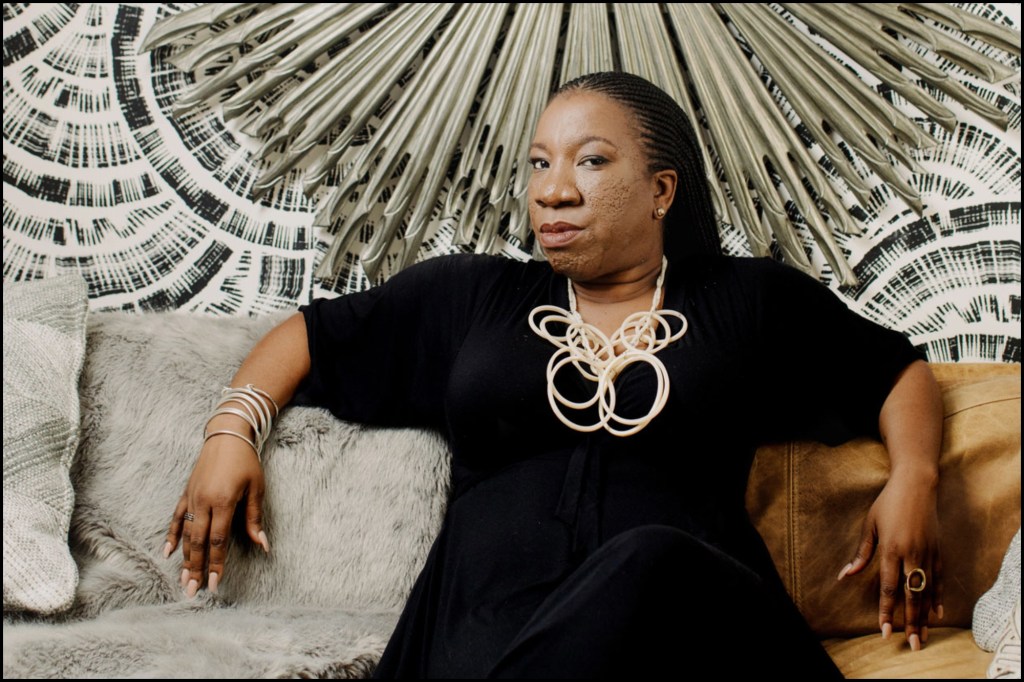
The history of #MeToo provides an essential starting point. Tarana Burke founded the original me too movement in 2006 to support survivors of sexual violence, particularly young women and girls of color. Her work centered on empathy, community support, and helping survivors understand that they were not alone. The movement became a global cultural force in 2017, when the hashtag spread rapidly amid extensive reporting about Harvey Weinstein and other powerful men accused of sexual misconduct. That visibility helped expose the ways professional dependence, intimidation, nondisclosure agreements, and institutional protection could suppress reports of abuse. But the distinction between Burke’s original movement and the mainstream campaign that followed matters. The movement’s roots were in survivor support, not celebrity public relations, and its history raises a legitimate question about what happens when an institution adopts the language of accountability without extending the same seriousness to every person who may need protection.

The concern here is not that women who spoke out during #MeToo were wrong to do so, nor that the movement should have diverted attention from women who experienced sexual violence. It is that a movement organized around bodily autonomy and freedom from sexual exploitation must be able to address misconduct without making gender a prerequisite for recognition. Men who report unwanted sexual contact, coercion, or stalking should not have to prove that their experiences are sufficiently unusual or dramatic to deserve attention. Nor should a woman accused of misconduct be presumed guilty because she is powerful, wealthy, or professionally connected. The same principles must apply in both directions: allegations should be investigated, evidence should be evaluated, and organizations should respond to documented risks. A movement’s credibility depends on whether its core principles can survive beyond the cases that first made them culturally visible.

National data demonstrate why male victimization deserves attention. The Centers for Disease Control and Prevention’s research on sexual violence, intimate-partner violence, and stalking among men reports that approximately one in four men in the United States has experienced some form of contact sexual violence during his lifetime. The CDC also reports that about one in 17 men has experienced stalking. The sex of the perpetrator varies according to the type of violence. In its national survey findings, 79 percent of male victims who reported being made to penetrate someone identified only female perpetrators, as did 82 percent of male victims of sexual coercion. Among men reporting unwanted sexual contact, 53 percent identified only female perpetrators. Among male stalking victims, 46 percent reported only female perpetrators, while 43 percent reported only male perpetrators and 8 percent reported perpetrators of both sexes.

These findings establish that women perpetrate some forms of sexual violence and stalking against men; they do not establish the racial identity of those perpetrators or the prevalence of such conduct in Hollywood. They also should not be misrepresented as evidence that women are responsible for most sexual violence overall. The CDC’s findings distinguish among types of victimization for a reason: rape, sexual coercion, unwanted sexual contact, and stalking are not interchangeable categories. Nevertheless, the data make it untenable to dismiss female-perpetrated abuse as merely hypothetical. If entertainment institutions are serious about consent, they must be prepared to investigate these experiences when they arise, including when the person reporting them is a prominent man and the person accused is a woman. The absence of industry-specific statistics about this particular pattern is a reason to conduct further research, not a reason to presume that the problem does not exist.

The workplace evidence is also significant. A 2020 study by Kathleen C. Basile and colleagues, published in the American Journal of Preventive Medicine, examined sexual violence by workplace-related perpetrators using data from the National Intimate Partner and Sexual Violence Survey. The researchers found that approximately 2.5 percent of men in the United States reported some form of sexual violence by a workplace-related perpetrator during their lifetimes. Male victims reported perpetrators of more than one sex, and the study documented fear and other adverse impacts associated with workplace-related sexual violence. This research was not restricted to entertainment, and it cannot tell us how often a female producer, casting director, comedian, or music executive sexually harasses a male colleague. It does, however, demonstrate that workplace-related sexual victimization of men is measurable and that a gender-neutral investigation of workplace safety is warranted.

Hollywood offers particular reasons to examine how these experiences may be handled. The industry is organized around professional access, reputation, personal relationships, and recurring opportunities to work with the same people. A casting director can influence an actor’s prospects; a producer can affect a project’s future; a manager can shape a musician’s professional relationships; and a comedian with industry connections may influence who receives opportunities on a tour or at a venue. Power in these environments is not exercised solely through formal job titles. It can also operate through introductions, recommendations, financing, publicity, access to influential networks, and the ability to affect someone’s professional standing. These structures can make it difficult for workers to challenge conduct they experience as unwelcome, particularly when the person involved is socially influential. Whether these dynamics affect male survivors of female-perpetrated misconduct in the same ways they affect other survivors is a question that requires direct reporting.

The Hollywood Commission’s research offers a foundation for investigating that question. Its 2022–23 survey gathered responses from 5,259 entertainment workers across television and film, live theater, music, talent representation, public relations, broadcast news, and related settings. The Commission found that workers continued to lack confidence that powerful people would face accountability for misconduct. At major studios, 71 percent of respondents believed it was unlikely that a powerful person would be held accountable. The survey also found differences in perceptions of workplace progress among demographic groups. These findings do not establish that powerful white women routinely abuse men, and they should not be used to imply that they do. They do establish that doubts about accountability persist across the entertainment workplace and provide a compelling basis for examining whether the industry’s systems respond consistently to allegations involving powerful people of different genders.

The issue of whiteness should be investigated as a question about power, representation, and institutional response—not as a substitute for evidence about individual conduct. White women have held prominent positions in Hollywood’s professional and cultural networks, including as performers, producers, casting directors, executives, comedians, and talent representatives. Their influence varies enormously, as does their economic security and institutional authority. It would be inaccurate to assume that all white women possess equivalent power or that whiteness alone determines whether someone is believed. But it is reasonable to investigate whether cultural expectations about white femininity, sexual desirability, innocence, and respectability influence how allegations against certain women are interpreted. The central question is whether institutions apply their standards consistently when the accused person is a woman whose reputation is commercially valuable or whose relationships place her close to the center of an influential network.

That inquiry must also consider the possibility that female-perpetrated misconduct is framed differently from comparable conduct by men. Unwanted sexual attention from a woman may be dismissed as flirtation or humor, particularly when the recipient is a man who is assumed to welcome sexual attention. A persistent attempt to establish contact may be described as romantic determination rather than a boundary violation. A public disclosure about an intimate relationship may be treated as celebrity gossip even when the underlying circumstances raise questions about consent, privacy, or professional retaliation. These are plausible patterns of cultural interpretation, but they should be tested through evidence rather than asserted as universal facts. A rigorous media analysis could compare how journalists, entertainment publications, employers, and audiences describe similar conduct across cases, paying attention to differences in language, sourcing, and the distinction between allegations and established findings.

The music industry provides a particularly important case study because musicians’ public identities are often built around intimacy with audiences. Songs, interviews, concerts, and social media create a sense of personal familiarity that can blur the boundary between public performance and private life. That visibility can make performers vulnerable to unwanted approaches, repeated contact, and intrusion into their personal relationships. In some cases, conduct may escalate beyond unwelcome attention into behavior that warrants a stalking investigation. In April 2026, the Los Angeles Times reported that a woman accused of stalking and attacking former Fleetwood Mac guitarist Lindsey Buckingham had been arrested and faced seven criminal counts. Earlier court filings described Buckingham’s allegations of repeated unwanted contact, threats, appearances near his and his family members’ homes, and a false emergency call that led police to respond to his residence. The case illustrates the seriousness of alleged stalking involving a prominent male musician, although the allegations must be distinguished from a criminal conviction and the available reporting does not establish the accused person’s race.

Buckingham’s case matters because it moves the discussion beyond an abstract debate about whether men can be victims. It demonstrates how allegations of stalking can involve a person’s home, family, reputation, and sense of physical security. It also illustrates why a celebrity’s professional success should not be confused with an absence of vulnerability. A musician may have the resources to seek legal protection, yet still face unwanted contact or alleged threats that require intervention. A case like this cannot establish how prevalent stalking by women is in the music industry, but it can inform questions about threat assessment, security procedures, documentation, and legal remedies. A broader investigation should examine additional cases through court records and independently corroborated reporting, while taking care not to infer a pattern from a single example.

Continue reading →
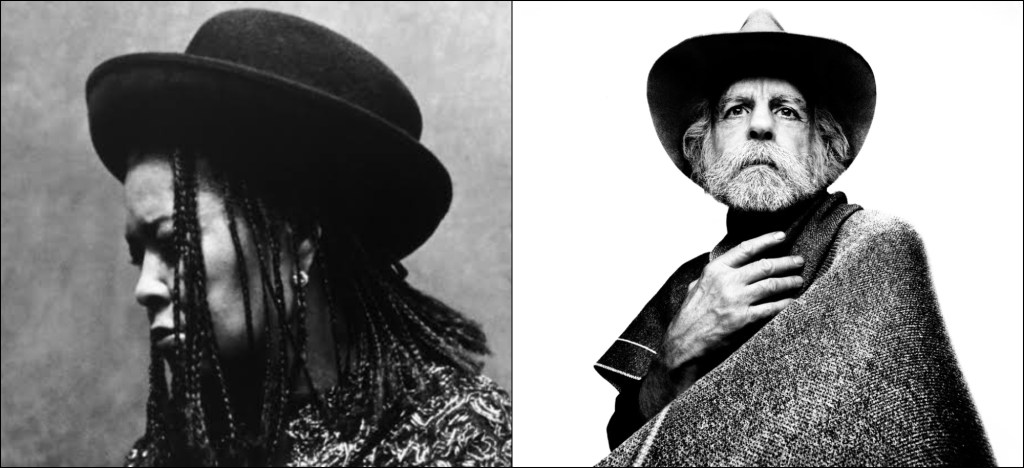
PAIRINGS: Bob Weir, “The Ground Don’t Want Me” & Abbey Lincoln, “Throw It Away”

PAIRINGS: Albums & Singles — How Music Intersects
Publik / Private

Written By Jordannah Elizabeth Graham-Mayer

The earth is supposed to take us back. It is where we build our homes, bury our dead, plant our histories, and imagine that something of us will remain. But what happens when the ground beneath us offers no promise of belonging? And what happens when the things we have spent our lives trying to keep become the very things we must learn to release? Bob Weir’s “The Ground Don’t Want Me” and Abbey Lincoln’s “Throw It Away” approach these questions from different directions. Weir’s song evokes the unsettling prospect of a world that offers no guarantee of shelter; Lincoln’s composition considers the freedom that becomes possible when we loosen our grip on what we cannot keep. One confronts the ache of belonging denied, while the other asks us to reconsider the attachments through which we define ourselves. Together, they reveal a tension at the heart of being human: we want the world to hold us, yet we must learn to live without the assurance that it will.

Belonging is something we seek from the world. Freedom, however, may begin with what we are willing to release from ourselves.

Weir’s “The Ground Don’t Want Me” emerged from the sessions for Blue Mountain, his 2016 solo album, before being released as a previously unheard recording in 2026. Written by Josh Ritter, with music by Ritter, Josh Kaufman, and Weir, the song belongs to a musical world shaped by American roots traditions, where the landscape often serves as both setting and state of mind. Its eventual release also introduces a temporal dimension: a recording made years earlier enters a new moment, inviting listeners to consider how music acquires meaning beyond the circumstances of its creation. The title alone unsettles our relationship with the earth. The ground is supposed to be dependable. It receives our footsteps, supports our dwellings, and gives physical form to the idea of home. To imagine that it does not want us reverses this familiar arrangement. The land becomes something other than refuge; it becomes a presence against which we must measure our own vulnerability.

American music is full of travelers. The blues wanderer, the country drifter, the folk singer on the road: each carries a different version of the desire to leave something behind. The open road promises reinvention, suggesting that another life might be waiting beyond the limits of the present one. Movement becomes an expression of possibility, a declaration that our circumstances need not determine our future. Yet the mythology of movement contains a contradiction. Leaving is not the same as arriving. Distance does not necessarily produce freedom, and a person can travel indefinitely without resolving the reasons they felt compelled to depart. The American West intensifies this tension. Its vastness has long served as a metaphor for self-invention, a place where the individual might imagine beginning again. But the landscape does not owe the traveler a happy ending. Its openness can be exhilarating precisely because it is indifferent. The world can offer space without offering welcome.

This is what makes Weir’s song a compelling meditation on belonging. The question is not simply whether we can find a place to settle, but what happens when the places we seek cannot provide the security we expect from them. A landscape may be beautiful without being hospitable. A community may shape us without continuing to accommodate us. A home may remain physically unchanged while becoming emotionally unfamiliar. There is a particular vulnerability in discovering that the things we depend upon do not necessarily depend upon us in return. We may build our identities around a place, a relationship, or a community, only to discover that our attachment cannot guarantee permanence. The resulting disorientation is not merely about losing something external. It can unsettle our understanding of who we are.

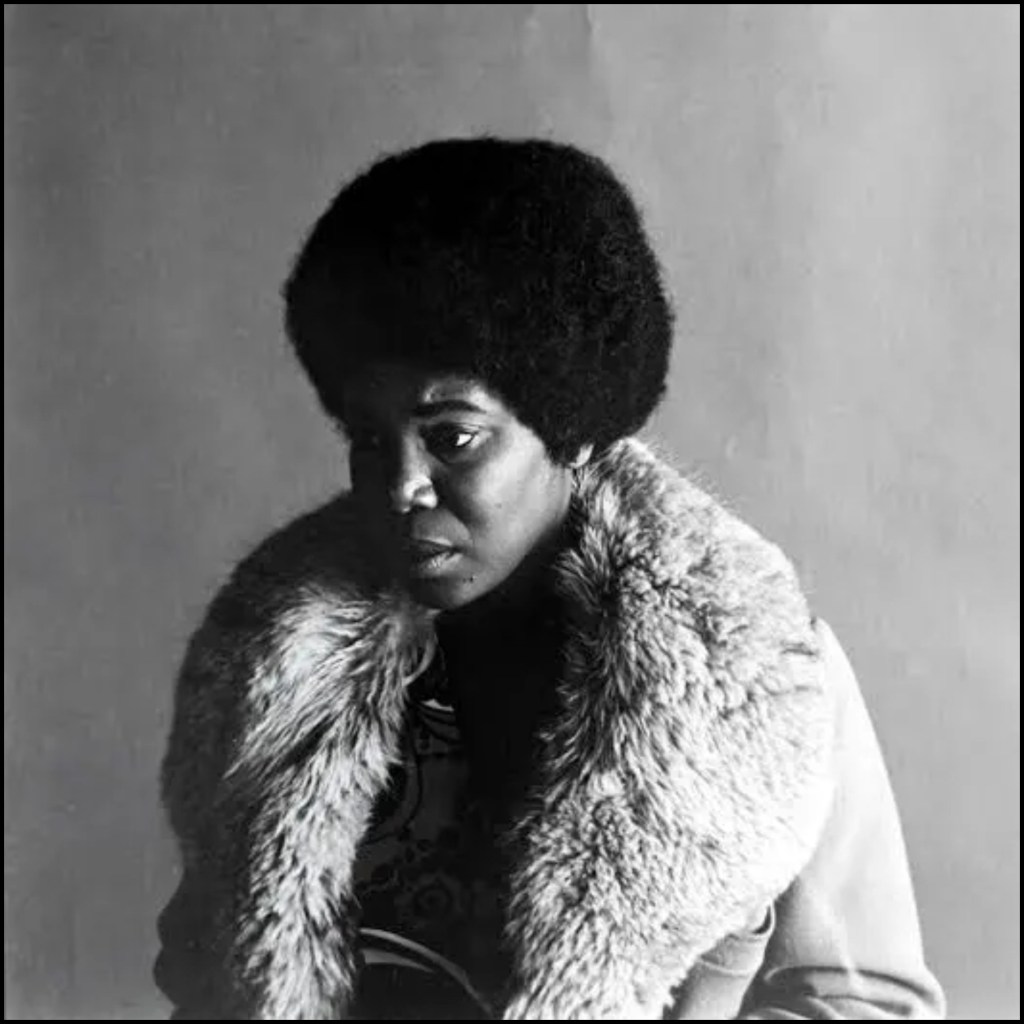
Abbey Lincoln’s “Throw It Away,” heard here in its 2007 interpretation on Abbey Sings Abbey, approaches this problem from another direction. Rather than asking whether the world will hold us, Lincoln asks us to examine what we insist on holding ourselves. Lincoln was a composer and vocalist whose work consistently connected artistic expression with self-determination. Across a career that encompassed jazz, film, political engagement, and songwriting, she developed a voice that could be intimate without becoming submissive, confrontational without sacrificing tenderness, and emotionally direct without surrendering complexity. Her music made room for the realities of the world while insisting upon her right to interpret those realities on her own terms. Abbey Sings Abbey, released in 2007, returned to her compositions through an intimate musical setting informed by acoustic folk and country textures as well as jazz. It was the final studio album of her recording career, and its performances carry the perspective of an artist revisiting her own work after decades of experience. The songs do not feel detached from the life that preceded them. They sound newly illuminated by it.

Lincoln’s reflections on songwriting offer a useful lens through which to understand “Throw It Away.” In an interview with All About Jazz, she described the process of expressing what she felt and witnessed through music, then releasing the burden rather than continuing to carry it. Her understanding of creation suggests that expression can transform an experience without erasing it. This distinction is essential to the song’s philosophy. Letting go is not the same as indifference. It does not require us to deny that something mattered, pretend that suffering never occurred, or abandon the lessons that difficult experiences have taught us. It asks us to consider whether the meaning of an experience must remain inseparable from the pain it caused. We hold on for reasons that are not always apparent to us. Sometimes we preserve a relationship because its survival seems to validate the years we invested in it. Sometimes we cling to a place because leaving would mean acknowledging that the person we were there no longer exists. Sometimes we keep carrying an injury because we fear that releasing it will diminish the seriousness of what happened.

But pain is not proof of devotion. We do not have to remain wounded to demonstrate that something mattered. We do not have to keep a person in our lives to honor what they once meant to us. And we do not have to preserve an old version of ourselves simply because we recognize the person we used to be. Lincoln’s wisdom lies in the possibility of transforming experience into understanding. The past remains part of us, but it need not dictate every decision we make. We can remember without remaining confined to memory. We can acknowledge what was lost without making loss the organizing principle of our lives. For Lincoln, songwriting itself offered a model of this process. An experience enters the artist’s consciousness, acquires a form, and becomes available to others. The resulting work can carry the emotional truth of its origins without requiring the artist to remain permanently inside the experience that inspired it. Music becomes both testimony and release.

Continue reading →

The Guide to “Review of Books”

Written by: Jordannah Elizabeth Graham-Mayer

There is something almost ceremonial about the words “Review of Books.” The phrase suggests a publication concerned with books, but its real territory is much larger: literature, history, politics, philosophy, art, culture, identity, memory and the arguments that emerge when people take ideas seriously. A review can tell us what a book contains, but criticism at its best asks what the book reveals about the world that produced it. That distinction has allowed the Review of Books to survive dramatic changes in publishing, from the decline of newspaper book sections to the rise of digital media and the fragmentation of contemporary audiences. Today, the form exists in many versions, from major international magazines to regional journals, identity-based publications and specialist academic periodicals. What unites them is not a particular political position or literary taste, but a belief that books remain worthy of sustained attention.

There is no single “Review of Books,” and there never has been. Instead, the name describes a living family of publications that have developed different editorial personalities according to their locations, readerships and intellectual communities. Some are among the most established cultural magazines in the English-speaking world, while others were created specifically to fill spaces left by shrinking newspapers and disappearing literary supplements. Some publish primarily in print, some exist principally online, and others deliberately combine both forms. Their subjects can range from novels and poetry to political theory, history, science, religion, visual art and current affairs. Taken together, they form a remarkably useful map of contemporary intellectual life. To follow them is to see not only what people are reading, but what different communities believe is worth discussing.

THE NEW YORK MODEL

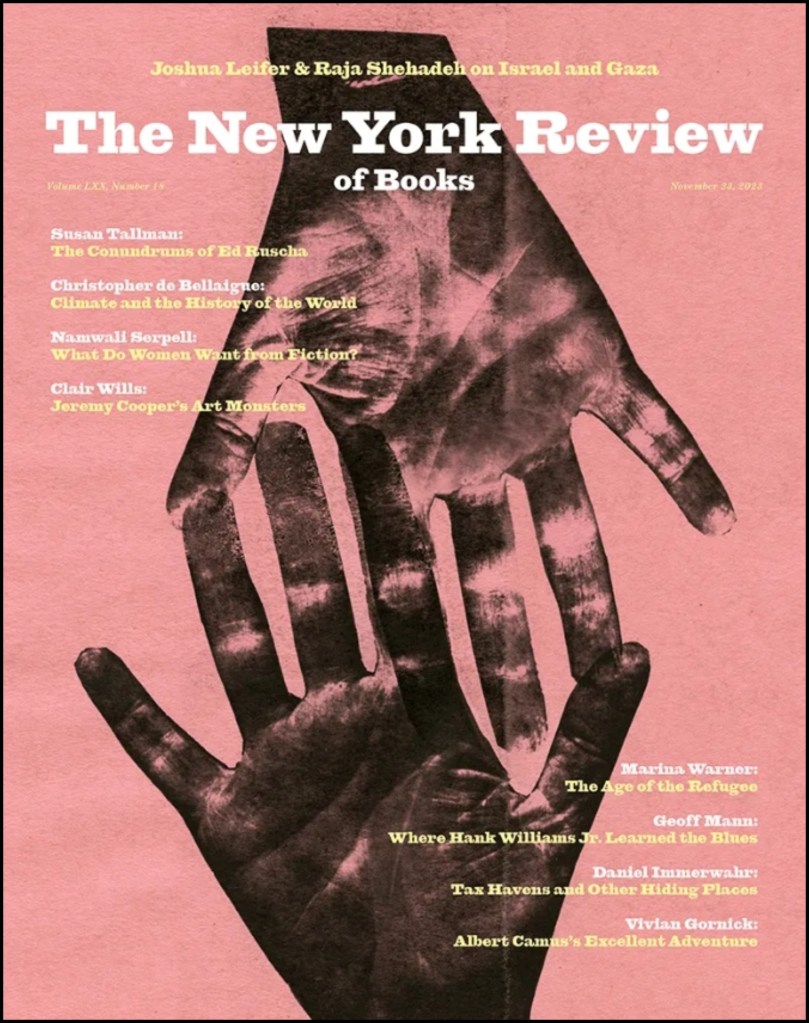
Any serious consideration of the contemporary Review of Books tradition begins with The New York Review of Books. The Review was launched in 1963 during the New York City newspaper strike by Robert B. Silvers and Barbara Epstein, working with Jason Epstein, Robert Lowell and Elizabeth Hardwick. Its founding purpose was ambitious: to create a publication in which distinguished writers could discuss books and current issues at length, rather than treating reviews simply as consumer guidance. The experiment succeeded almost immediately, and the publication became an independent voice in American intellectual and literary life. Today, The New York Review of Books publishes twenty issues each year and continues to combine discussion of books with politics, history, science, literature and the arts. Its longevity is partly explained by a simple editorial principle: the book is often the beginning of the conversation, not its conclusion. 

The importance of that model is difficult to separate from the history of modern literary criticism. The New York Review helped establish a recognizable form in which a review could become an essay, an essay could become an argument, and an argument could move well beyond the book under discussion. A biography could become a meditation on political power; a history book could provoke a reconsideration of national memory; a novel could become a lens through which an entire society is examined. This approach made the serious review something closer to a literary genre of its own. It also created a publication in which readers could encounter writers and thinkers across disciplines without being confined to a single academic field. More than six decades after its founding, that remains central to the Review’s identity. [1]

THE LONDON REVIEW

The London Review of Books emerged sixteen years later under very different circumstances. It was founded in 1979 during the management lockout at The Times, after Frank Kermode proposed in The Observer that a new magazine could occupy the space created by the temporary disappearance of the Times Literary Supplement. The first issue appeared four months later under founding editor Karl Miller. The publication subsequently developed its own independent identity and became one of Europe’s most influential magazines of culture and ideas. Today, the LRB is published twice a month and ranges across literature, politics, history, philosophy, science, technology, art, fiction, poetry, memoir and reportage. Its continued emphasis on long-form intellectual writing demonstrates how expansive the idea of a book review can become. 

The relationship between The New York Review of Books and the London Review of Books is useful because neither publication treats criticism as a simple exercise in ranking new titles. Their reviews can be lengthy, argumentative and highly contextual, asking readers to consider books alongside the historical and political circumstances in which they appear. The LRB has also built a broader cultural ecosystem around its magazine, including a bookshop, podcasts, events and a substantial digital archive. This matters because the modern review is no longer simply a printed object arriving at a reader’s home. It can be a magazine, archive, conversation, event series and intellectual community at once. The review survives, in part, by becoming more than a review. 

DUBLIN, SYDNEY AND THE REGIONAL REVIEW

The regional Review of Books demonstrates another important truth: literary culture does not have to be organized from the largest international capitals. The Dublin Review of Books was founded in 2007 as an online journal offering a space for reflection on literature, history, arts, society, politics and culture. Its essays and shorter pieces are generally connected to recently published books, while its editorial interests extend particularly toward Ireland, Europe and their cultural and political histories. The publication describes itself as a journal of ideas, and its purpose is not simply to catalogue Irish publishing but to create a forum in which Irish and international questions can be examined together. Its continued activity illustrates how a regional publication can develop an international readership without surrendering its particular point of view. 

Australia’s Sydney Review of Books offers another version of the regional model. Founded in 2013 in response to the diminishing opportunities for critics in the mainstream press, it has become a significant Australian venue for long-form reviews and literary essays. The publication publishes new work weekly and supplements its digital presence with print anthologies, podcasts and public programs developed in partnership with cultural institutions across Australia. Based at the Writing and Society Research Centre at Western Sydney University, the SRB explicitly treats criticism as a cultural practice rather than simply as consumer advice. Its stated mission emphasizes intellectual rigor, diversity, participation and the importance of disagreement within a healthy literary culture. In that sense, the regional review becomes more than a publication: it becomes infrastructure for criticism itself. 

The Montreal Review of Books offers an especially clear example of how geography can determine editorial purpose. The publication is a free, nationally distributed journal devoted to reviews, features and essays about English-language books by Quebec writers and publishers. Its coverage includes literature, nonfiction, poetry, memoir, history, graphic novels and children’s books, giving it a broad mandate within a clearly defined cultural territory. Published three times a year in print by the Association of English-language Publishers of Quebec, the mRb also maintains an active digital presence. Its existence is a reminder that a literary community can require its own critical forum even when its publishing market is part of a larger national system. The Review of Books, in this form, becomes a means of making a particular literary culture visible to itself and to the outside world. 

THE REVIEW AS CULTURAL IDENTITY

The boundaries of the Review of Books become even more interesting when community is defined by culture or identity rather than geography alone. The Jewish Review of Books, first published in spring 2010, is a quarterly print publication with an active online presence devoted to serious discussion of Jewish literature, religion, culture, politics, fiction, poetry and the arts. Its contributors include writers and scholars working across contemporary Jewish intellectual life, while its editorial approach is intended to be serious without becoming inaccessible. The publication is issued by the Jewish Review of Books Foundation and has developed a substantial readership since its founding. Its model demonstrates that a review can become a cultural meeting place, where books are considered not in isolation but in relation to history, memory, religion and identity. 

This is one of the most important characteristics of the modern review: it creates context. A novel may be reviewed as literature, but it may also prompt discussion about migration, language or memory. A history may lead to an examination of how a community remembers itself. A work of religious scholarship may become part of a conversation about contemporary politics. The review creates the space in which those connections can be made without forcing every subject into a single category. In that sense, the strongest publications do not merely tell readers what books to buy. They teach readers how books participate in larger cultural conversations. 

Continue reading →

Discover Fun Hobbies That Boost Wellness, Growth, and Connections

By: Alyssa Strickland

Photo by: Ragnar Axelsson

Busy adults juggling work, home responsibilities, and a social life that’s gotten quieter often want something enjoyable again, but the options can feel intimidating or oddly lonely. The core challenge is finding accessible hobbies that actually stick, ones that fit real schedules, feel welcoming for a general audience, and don’t turn into another self-improvement chore. When a hobby doubles as a wellness activity, it can bring steady mental health benefits like a calmer mind and a clearer sense of momentum. Even better, the right pastime makes social connection feel natural instead of forced. 

Why Hobbies Build Growth, Calm, and Community 

Hobbies are more than “something to do.” Personal growth through hobbies comes from learning small skills over time, which boosts confidence, steadies your mood, and gives your week a clear thread of meaning. That sense of progress makes it easier to show up consistently, even when life is packed.  This matters because a lot of adults are running on autopilot and craving real connection. 

When 41 percent of adults feel lonely, a shared activity offers a low-pressure way to be around people with a built-in topic. 

Think of a beginner pottery class: you focus on shaping clay, your mind quiets, and you leave with a tangible “I made this.” Over a few sessions, names become familiar, and conversations happen naturally while hands stay busy. With your “why” clear, it’s easier to turn curiosity into a skill plan that fits your goals. 

Build Tech Skills on Your Schedule With a Flexible Online Track 

When you want the confidence and connection that hobbies bring, having a clear path can make it easier to keep showing up. Going back to school online is one practical way to turn curiosity into real, usable skills, especially if you’re aiming to learn something you can build on over time. It helps to choose a track that feels fulfilling or supports your career goals; for example, if you aspire to work in tech, you may be the perfect candidate for a degree in information technology, and exploring accredited online technology degrees can help you see what that path could look like. Online programs can also be a strong fit for busy professionals, since they’re designed to be flexible around work and life responsibilities. 

Beginner-Friendly Hobbies You Can Start Online or With Friends 

Pick one hobby that fits your energy, schedule, and social comfort level, then make it easy to show up consistently. A simple weekly plan (and a clear “why”) turns curiosity into a routine you can actually keep.

  1. Learn one instrument with a micro-practice plan: Choose a “starter instrument” you can play quietly at home (keyboard, ukulele, or a practice pad for drums). Set a 20-minute block three times a week: 5 minutes warm-up, 10 minutes on one skill (chords, a scale, or rhythm), and 5 minutes playing a simple song. If you like company, schedule one virtual jam or in-person meet-up each month so you have something to practice toward. 
Continue reading →

Still Here: The Trouble With Having Nowhere to Go

Written By: Jordannah Elizabeth Graham-Mayer

We have become very good at being between houses.  The Colorado house has become my mother’s house, at least for the moment, which is one of those sentences that sounds temporary until you start counting the boxes. Some of the children are further south, and that arrangement has its own logic, including the small but necessary reminder that children eventually become people with houses, one mine and John’s  who can kick us out when they want to “redesign”, (and not keep the house “dry” of mini-kegs when their father is over a decade sober). Another one is in Cape Cod, where independence has become less of an abstract virtue and more of a practical requirement, particularly where John is concerned. Our daughter can’t quite sleep without him, so she’s got a cottage, and an old Silverado to drive until she forgets about him. 

So here we are, two married people with several homes between us and nowhere to sleep. I have to admit there is something almost comic about it, although I am not laughing at all.

Money has a way of making philosophy less interesting. John’s accounts are blocked, my part-time teaching work has dried up, and suddenly the difference between having bills and having money feels like a distinction invented by someone who has never paid a bill. The bills themselves are managed, which is important, but there is no mysterious person waiting behind a curtain with a checkbook when something unexpected happens. We have reached that peculiar adult territory where everything is technically handled and everything still feels precarious. I have always thought of security as something you build slowly, but lately it feels more like something you carry carefully from room to room. You put it down for a second and discover that the floor has moved.

Marriage is interesting under these conditions because romance becomes very difficult to perform. Nobody looks particularly cinematic while trying to solve logistics. John can be funny in the middle of it, which is one of the reasons I married him, although sometimes his humor arrives at precisely the moment I am trying to remain serious. I can become organizationally tedious to the point of irritation, which is another way of saying that I sometimes confuse his anxiety within his organization.

Between the two of us, we have developed a small economy of glances that usually means, Are you seeing this? followed by, Yes, unfortunately. There’s also, “You’re good looking” and “No divorce”.

Then, because life has a sense of humor, I received one of John’s rare texts. It was not about money or houses or children or anything that could be entered into a spreadsheet. It was a message about avoiding boring conversation, about confidence and quick wit, about being playful and keeping him curious, about a little tension and perhaps a little trouble. The funny thing about receiving something like that from your husband when your life is already full of trouble is that you suddenly have to consider the distinction between the kind you chose and the kind you did not. I read it and thought, “The person I married still knows how to interrupt my thinking.”

Continue reading →