Written By: Jordannah Elizabeth Graham-Mayer
The legendary vocalist reflects on collaborations, storytelling and her new album of duets with Cynthia Erivo, Kehlani, John Legend and more.
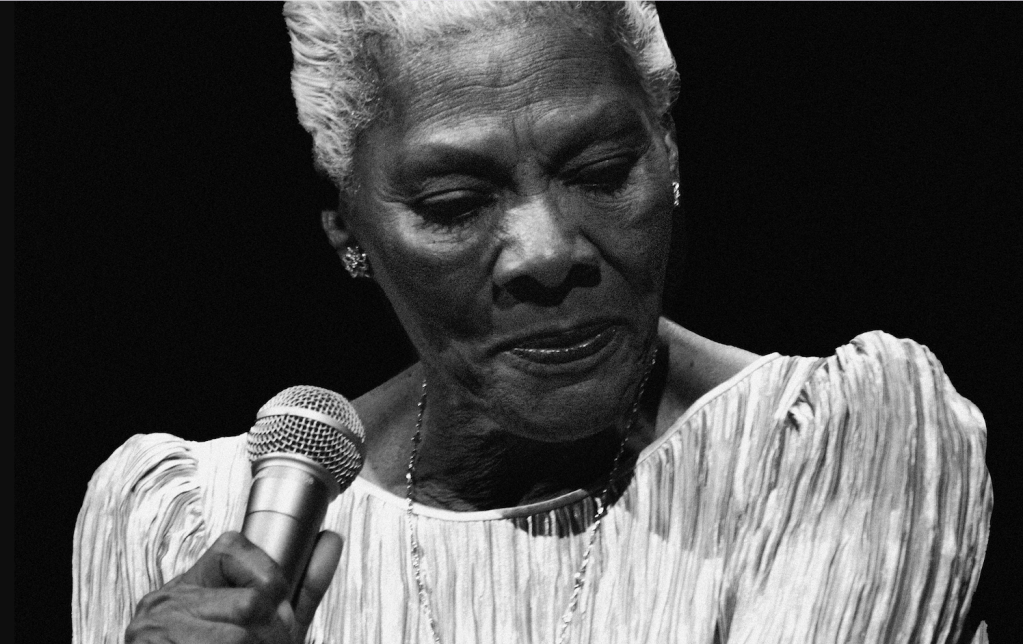
Above: Ms. Dionne Warwick
I’ve gotten to speak to many people, and with continued luck and blessings in life, I will speak to many more. Ms. Warwick is a musician that brought me inspiration with her calm wisdom, and insight into her ability, which is doused in longevity, to always focus on her listeners. She knows what her grandchildren are listening to, and she’s in touch with her alignment to this present-day reality. The honor will always be mine. – jeg-m
There are artists who spend a lifetime chasing reinvention, and then there are artists like Dionne Warwick, whose evolution has come not from abandoning herself but from listening more deeply. Over six decades, Warwick has interpreted some of the most enduring songs in American popular music with a voice distinguished less by spectacle than by remarkable clarity of purpose.
She has never confused technical mastery with emotional honesty. Instead, she has consistently treated songs as stories first, allowing listeners to enter them rather than simply admire them. As our conversation unfolds, it becomes clear that this philosophy continues to guide what Warwick says will be her final recording project, DWuets released on August 7th.
Before discussing the new album, I ask whether any of her many celebrated collaborations stand above the others ie: Elton John, Gladys Knight, Luther Vandross and Stevie Wonder. Warwick laughs softly at the impossibility of the question. “There are simply too many to single out,” she says. “They were all friends of mine, and each collaboration meant something different. I’ve been fortunate to work with many legendary artists, and every one of those experiences was special.” It is an answer that reveals something fundamental about her career. Even after decades of extraordinary accomplishments, Warwick remembers the relationships before the accolades.
That sense of generosity extends naturally into DWuets Rather than constructing a farewell around nostalgia, Warwick has assembled what she describes as a reflection of everything listeners have embraced throughout her career. “First of all, this will be my final recording project,” she says. “I wanted to make a record that reflects everything I believe listeners have enjoyed throughout my career. There’s pop, rock, rap, R&B, gospel — there’s something here for everybody.”
Representing the closing chapter of an extraordinary recording career, DWuets finds Warwick embracing collaboration not as a retrospective exercise but as an artistic continuation. Produced by Damon Elliott and centered on a collection of newly written songs by Diane Warren, the album brings Warwick together with artists from multiple generations and musical traditions, including Cynthia Erivo, John Legend, Mýa, Kehlani, and Saweetie. Rather than revisiting the classics that established her legacy, the project introduces entirely new material, positioning Warwick’s unmistakable interpretive voice alongside some of today’s most recognizable performers. The result is a record that reflects the breadth of her influence while emphasizing her enduring commitment to thoughtful songwriting, lyrical interpretation, and musical dialogue across genres.
Serving as the album’s opening statement, “Ocean in the Desert,” featuring Cynthia Erivo, introduces DWuets with an emphasis on emotional nuance rather than vocal spectacle. The performance unfolds as a measured exchange between two accomplished interpreters, allowing each singer to inhabit the lyric without overshadowing the other. Warwick’s characteristically poised phrasing anchors the recording, while Erivo’s expressive vocal presence adds contemporary depth and texture. Instead of functioning as a showcase of vocal power, the duet demonstrates the enduring value of musical conversation—an approach that aligns with Warwick’s decades-long commitment to storytelling through song. As the first glimpse of DWuets, the recording establishes the album’s broader intention: pairing Warwick’s timeless interpretive style with artists whose own musical identities reflect the evolving landscape of contemporary popular music.
Continue reading